
Image by Freepik
In the increasingly digital world of romance, dating apps have become a primary way for people to connect with potential partners. A popular dating app currently includes a matching page that displays basic user information—photos, age, occupation, and a short bio. Users swipe right to express interest or left to pass. To gain a competitive edge, the app is exploring new ways to improve its matching system and user experience.
The app’s user base consists mainly of individuals aged 20 to 35. One such user is John, a 29-year-old software engineer from Seattle who enjoys hiking and weekend coffee walks. He downloaded the app following a friend’s recommendation and is hoping to expand his social circle or casually date. Upon signing in, John is greeted with a feature: profiles now show whether users share mutual friends or belong to the same interest-based groups, such as a local hiking club.
The social networking team is evaluating whether displaying these social connection cues on the matching page could increase the likelihood of successful matches.

Image by Freepik
Social media platforms offer a wide range of text-based content, from short posts and status updates to long-form articles and blog entries. These apps include features like infinite scrolling, personalized content feeds, reactions, and comment sections. To stay competitive, platforms regularly test new approaches to improve user engagement and time spent on the app.
A popular entertainment app has attracted users across a broad age range, especially those between 18 and 40. One such user is Nina, a 24-year-old graduate student who uses the app to unwind between classes. Her typical feed includes news articles, motivational quotes, life updates from friends, and viral posts.
The app’s research team is now testing a new algorithm that adjusts the emotional tone of the content shown to users. Upon opening the app, Nina begins seeing a feed curated to emphasize either mostly positive posts (such as success stories, acts of kindness, or inspirational quotes) or mostly negative posts (such as news on crises, personal hardships, or societal problems).
The research team is evaluating whether showing one type of content over the other leads to longer user engagement times.

Image by Freepik
Fitness apps often target younger, active users by offering high-intensity workout recommendations, goal-based training plans, and progress tracking integrated with wearable devices. These platforms typically include features like personalized workouts, exercise video libraries, real-time progress charts, and performance feedback. To broaden their appeal, fitness apps are now exploring ways to design more inclusive and age-diverse solutions.
One app has recently gained popularity among users in their 20s and 30s, who often seek quick progress and performance-oriented routines. However, a newer demographic is starting to show interest—adults aged 55 and older. One such user is Marsha, a 62-year-old retiree who enjoys light yoga and neighborhood walks. She downloaded the app after her doctor recommended adding more regular movement to her routine.
When Marsha opens the app, she sees a new feature: fitness programs tailored to different age groups, with lower-impact exercises, guided breathing sessions, and progress pacing designed specifically for older adults.
The app’s design team is now evaluating whether these age-specific fitness options can increase engagement and encourage regular exercise among older users.

Image by Freepik
Fitness apps have traditionally focused on longer, high-intensity workout sessions, often requiring users to set aside 30 to 60 minutes for a full routine. These apps offer features such as exercise videos, session tracking, and progress dashboards. While effective for some, this model can make daily exercise difficult to maintain, especially for users with demanding schedules or sedentary work environments.
One fitness app, popular among young professionals, is now testing a new approach to promote more consistent physical activity. The app has started testing short, scheduled fitness breaks—brief guided exercises like stretching, walking, or light cardio that can be done in under 5 minutes and fit into working hours.
One user, Alex, a 34-year-old remote tech worker, often sits for long stretches during the day and struggles to find time for a full workout. With the new feature enabled, Alex receives automatic prompts for short fitness breaks tied to his calendar and work rhythm.
The app's team is investigating whether these micro-workouts can increase physical activity and improve users' overall productivity and well-being at work.
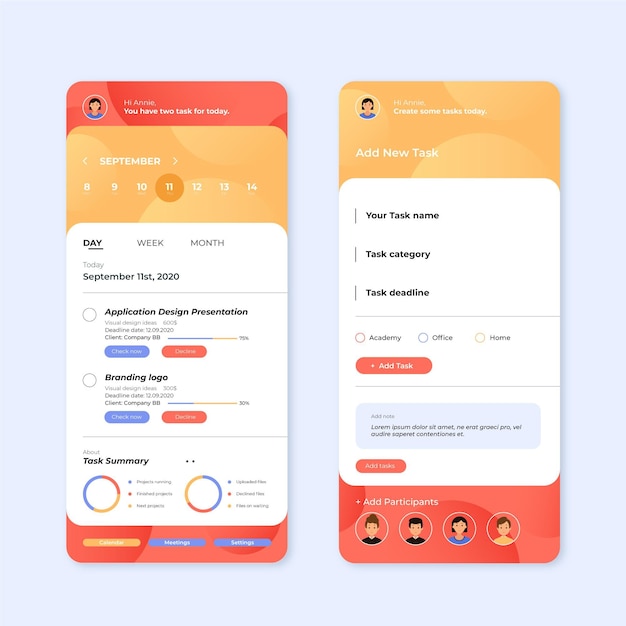
Image by Freepik
Productivity apps often focus on task management, goal setting, and time tracking, primarily designed for working professionals and students. These tools typically include features like calendar syncing, project planning, and to-do lists to help users stay organized and efficient. However, as the global population ages, a new challenge has emerged: loneliness and lack of daily structure among older adults, especially post-retirement.
One productivity app, originally targeted at young professionals, is now expanding its scope. Among its newer users is Frank, a 68-year-old retired engineer, who is looking to stay mentally active and connected with his community. After signing up, Frank sees a new feature that provides personalized volunteer suggestions based on his interests, availability, and location—such as helping at local libraries or mentoring high school students.
The app's team is investigating whether integrating local volunteering recommendations into productivity tools can help older adults become more engaged, socially connected, and active post-retirement.
Image by Freepik
Productivity apps commonly include to-do lists, calendar integration, and goal tracking tools, helping users manage tasks and stay organized. Some platforms offer more advanced features like time tracking, focus timers, and project planning boards. While these tools are widely available, students still report procrastination as a major barrier to academic success, despite using these apps.
One productivity app is especially popular among college and high school students. One user, Lena, a 19-year-old undergraduate studying biology, frequently struggles to follow through on her study plans, even when she creates detailed task lists. Recently, the app introduced a new feature: mandatory study scheduling, which includes auto-generated time blocks, locked focus sessions, and regular check-ins to hold students accountable.
In light of this challenge, a productivity app is interested in exploring whether incorporating mandatory study scheduling features can improve students' academic performance.