
Replies: 2 comments 2 replies

-
|
This appears to be a known regression in v1.13.0. The Recommended fixes (without downgrading):
Workaround: If the above doesn't work, you can try adding a Template or Variable Assigner node between Knowledge Retrieval and LLM nodes to explicitly pass the file metadata. This issue is related to PR #29396 which changed attachment metadata handling between versions. The fix in PR #30210 also addressed some multimodal retrieval issues but may not cover your specific case. To reply, just mention @dosu. How did I do? Good | Irrelevant | Incorrect | Verbose | Hallucination | Report 🐛 | Other
|




Beta Was this translation helpful? Give feedback.

-
|
Looking at the |
Beta Was this translation helpful? Give feedback.

-
|
Good catch! You're right to notice that difference. Looking at the code, the field naming is actually consistent - it's just that Pydantic's serialization alias is used to output In source: str = Field(
default="knowledge",
serialization_alias="_source",
description="Data source identifier",
)So internally in Python it's if (
"metadata" in context_dict
and "_source" in context_dict["metadata"]
and context_dict["metadata"]["_source"] == "knowledge"
):So the To reply, just mention @dosu. How did I do? Good | Irrelevant | Incorrect | Verbose | Hallucination | Report 🐛 | Other
|
Beta Was this translation helpful? Give feedback.

-
|
Thanks. Since I'm a beginner and don't understand it well, I'll downgrade to 1.11.4 and use it. |
Beta Was this translation helpful? Give feedback.

Uh oh!
There was an error while loading. Please reload this page.
Uh oh!
There was an error while loading. Please reload this page.
-
Self Checks
1. Is this request related to a challenge you're experiencing? Tell me about your story.
After upgrading Dify from version 1.11.4 to 1.13.0, when I pass context containing markdown-formatted images retrieved from Knowledge Retrieval to an LLM node, the
#context_files#input, which was previously present, disappears, and the LLM can no longer recognize the images.Reverting to version 1.11.4 resolves this issue.
Is there a way to fix it without downgrading to 1.11.4?
2. Additional context or comments
v1.11.4
Knowledge Retrieval node's OUTPUT
{ "result": [ { "metadata": { "_source": "knowledge", "dataset_id": "b2b9c03d-4795-468f-85fe-37d671751d69", "dataset_name": "multimodal", "document_id": "df9fa22b-da86-44d7-8df7-4387f4043612", "document_name": "socrader.txt", "data_source_type": "upload_file", "segment_id": "25ea6193-80e0-4e25-8955-a328e57da94b", "retriever_from": "workflow", "score": 0.4501942992210388, "child_chunks": [ { "id": "b6a8fbb3-efce-4fc6-ab79-73470a0003eb", "content": "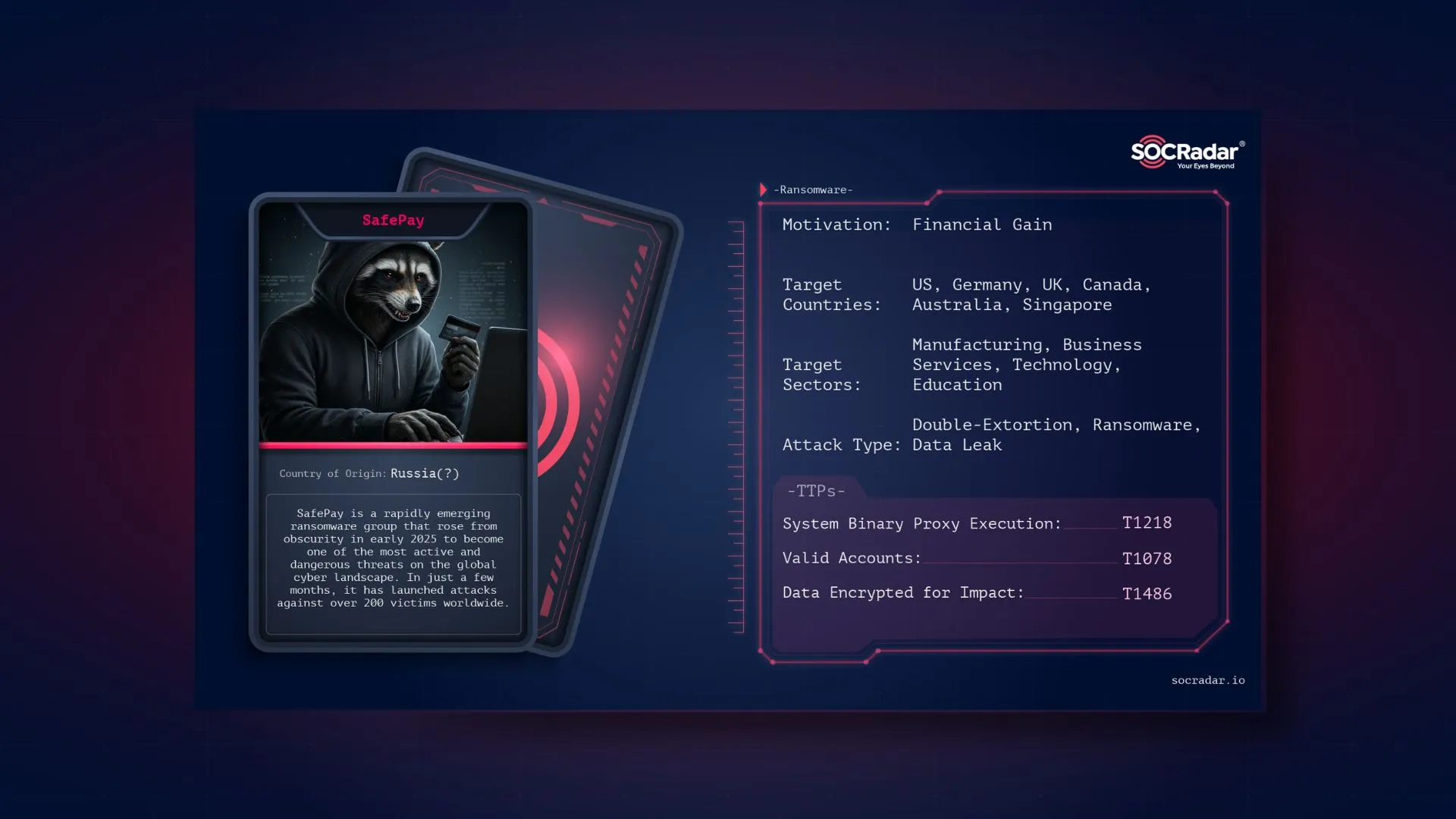", "position": 1, "score": 0.4501942992210388 } ], "segment_hit_count": 3, "segment_word_count": 168, "segment_position": 1, "segment_index_node_hash": "b1e4f8311e26f1406913c08cb5b0623453b7034eeede7377818d5434a27a2c9e", "doc_metadata": null, "position": 1 }, "title": "socrader.txt", "files": null, "content": "" } ] }LLM node's INPUT
{ "#context#": "", "#context_files#": [ { "dify_model_identity": "__dify__file__", "id": "a6bf44a7-7a24-4ba0-88ca-d9f5cd648fe7", "tenant_id": "d1fef7e3-22db-4c60-bbd8-39ff46930f5c", "type": "image", "transfer_method": "local_file", "remote_url": "http://api:5001/files/a6bf44a7-7a24-4ba0-88ca-d9f5cd648fe7/file-preview?timestamp=1770949654&nonce=a6ca4d8475d1a208fe968c00937287ae&sign=ufzMJFGpGQzjawpvWbuzs_2xvVRMxxiD-aOnIaSLZKI%3D", "related_id": "a6bf44a7-7a24-4ba0-88ca-d9f5cd648fe7", "filename": "dark-web-profile-safepay-ransomware.jpg.webp", "extension": ".webp", "mime_type": "image/webp", "size": 73004 } ] }v1.13.0
Knowledge Retrieval node's OUTPUT
{ "result": [ { "metadata": { "source": "knowledge", "dataset_id": "b2b9c03d-4795-468f-85fe-37d671751d69", "dataset_name": "multimodal", "document_id": "df9fa22b-da86-44d7-8df7-4387f4043612", "document_name": "socrader.txt", "data_source_type": "upload_file", "segment_id": "25ea6193-80e0-4e25-8955-a328e57da94b", "retriever_from": "workflow", "score": 0.45014816522598267, "child_chunks": [ { "id": "b6a8fbb3-efce-4fc6-ab79-73470a0003eb", "content": "", "position": 1, "score": 0.45014816522598267 } ], "segment_hit_count": 7, "segment_word_count": 168, "segment_position": 1, "segment_index_node_hash": "b1e4f8311e26f1406913c08cb5b0623453b7034eeede7377818d5434a27a2c9e", "doc_metadata": null, "position": 1 }, "title": "socrader.txt", "files": null, "content": "", "summary": null } ] }LLM node's INPUT
{ "#context#": "" }Beta Was this translation helpful? Give feedback.
All reactions