Gallery
This gallery contains a selected list of research application of PyStokes.

The interplay between laser light, trapped particles, and fluid flow can produce counterintuitive effects in optical tweezing. Here we uncover an attractive, long-ranged, non-equilibrium force field centered on an optically trapped particle near a water-oil interface, produced by local heating and mediated by global fluid flow. This causes surrounding untrapped colloids, tethered to the interface but allowed to diffusely freely along it, to crystallize around the force center. In this configuration, the non-equilibrium force is the gradient of a potential, of strength proportional to the local heating, which, surprisingly, allows for an effective equilibrium description. Our results open unexplored routes to optofluidic manipulation and assembly of colloidal particles.
Reference: A Bolitho, R Singh, R Adhikari, Physical Review Letters 124 (8), 088003 (2020)
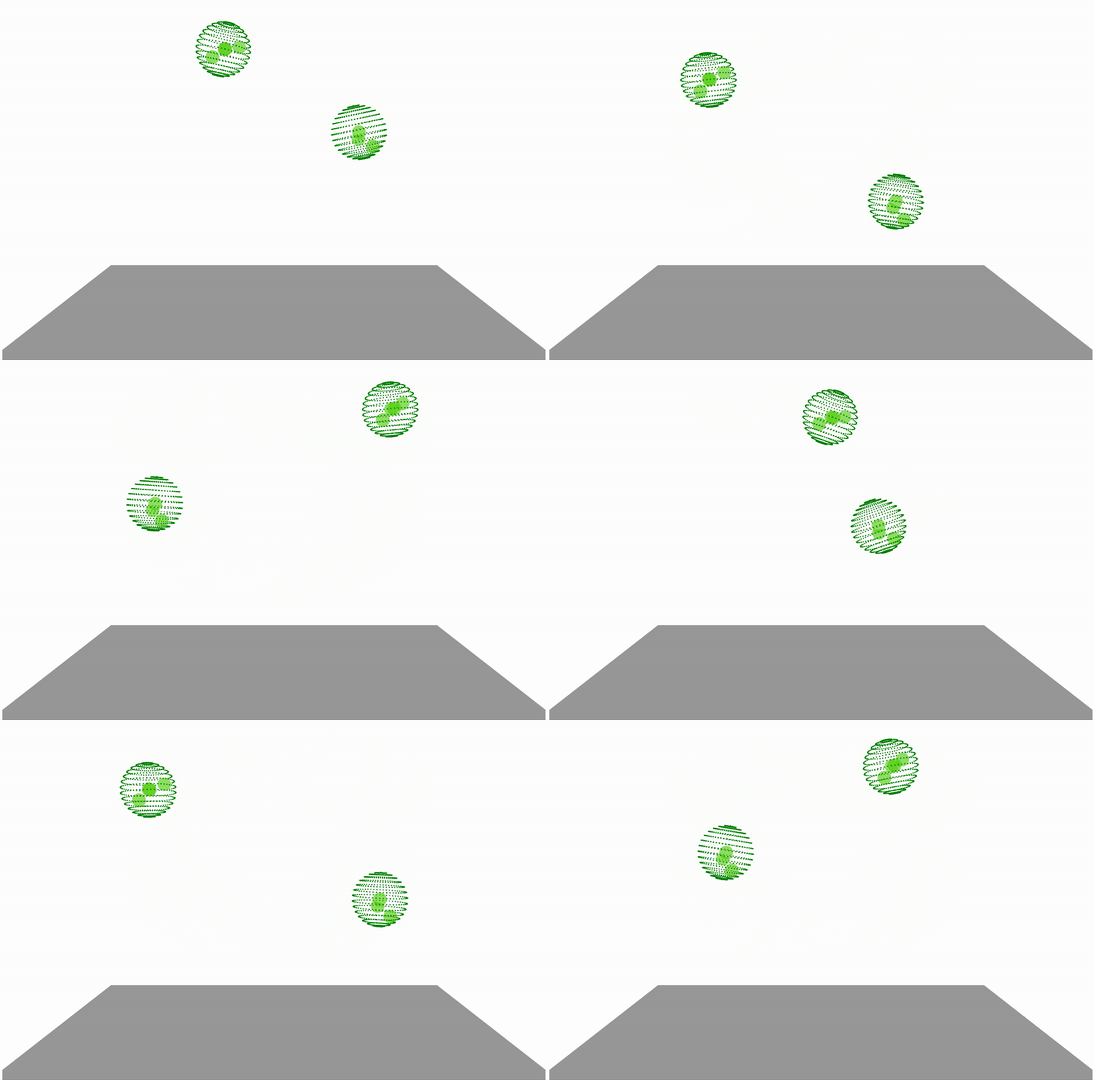
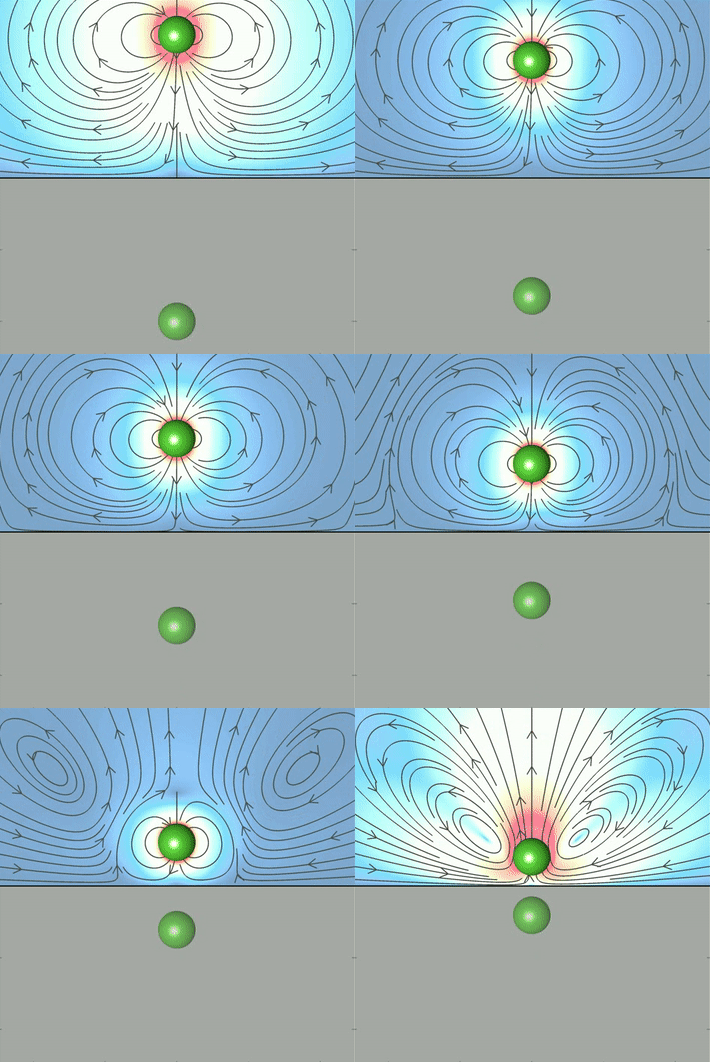
Our work shows that the oscillatory dynamics of a pair of active particles near a boundary, best exemplified by the fascinating dance of the green algae Volvox, can be understood in terms of Hamiltonian mechanics, even though the system does not conserve energy. At the heart of this dance, which is a limit cycle of a dynamical system, is a Hamiltonian, damped by gravitational torque and driven by fluid flow reflected off the boundary. For small oscillations, this Hamiltonian is identical to that of a pendulum and, like a metronome, sets the beat of the dance. For large oscillations, the beat can be evaluated with the same mathematics as for a pendulum, and when damping and driving are taken into account, agrees very well with experiment. This establishes without doubt that the enigmatic Volvox dance, rather than being an evolutionarily selected biological phenomenon, is a physical phenomenon that can be understood fully in terms of the familiar concepts of mechanics. Our study highlights the significance of fluid flows and their distortion by boundaries in active matter and shows that the applicability of Hamiltonian mechanics extends beyond its intended domain of energy-conserving systems to time-irreversible, dissipative, active systems.
Reference: R Singh, R Adhikari, Physical Review Letters 117, 228002 (2016)
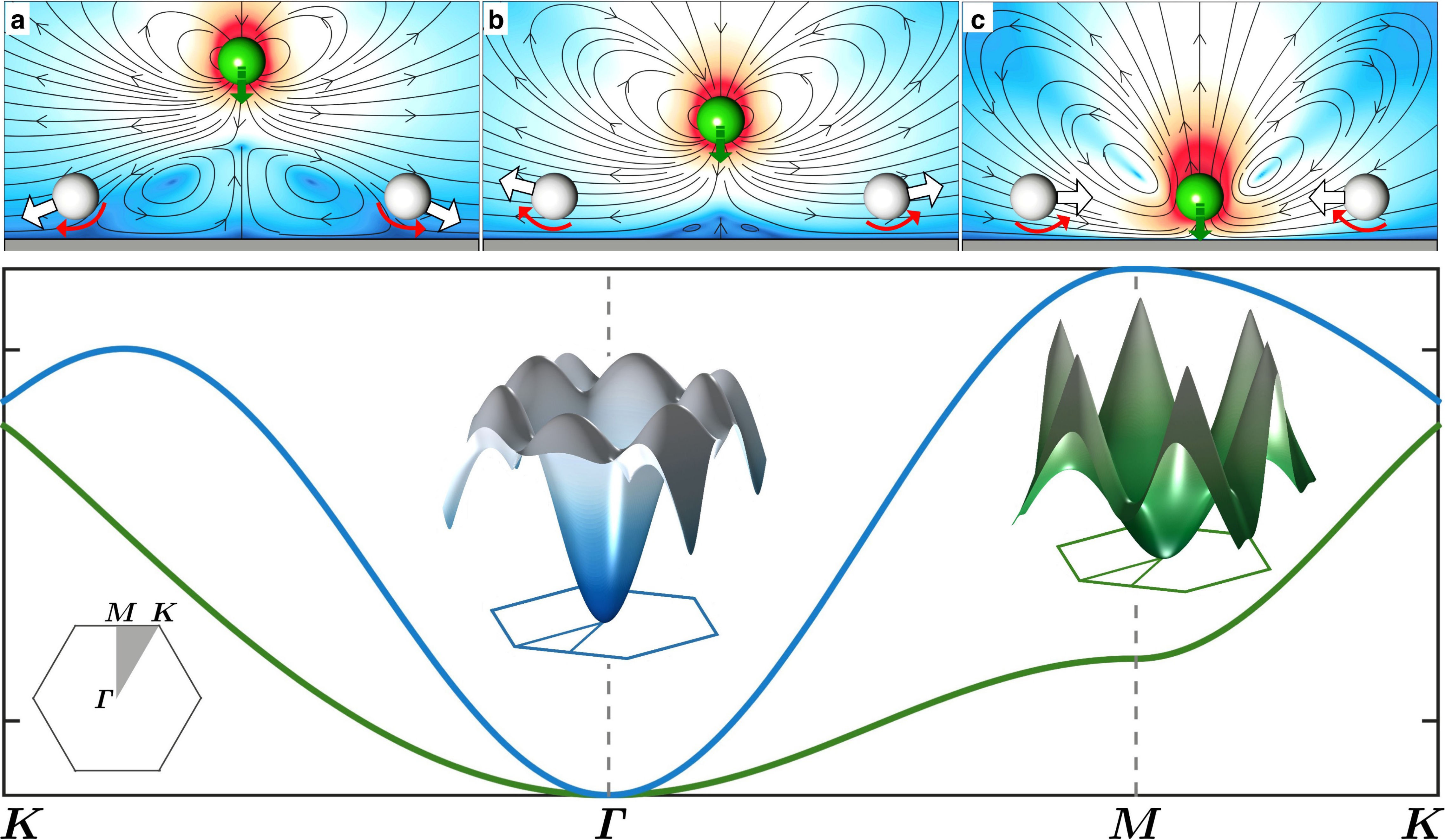
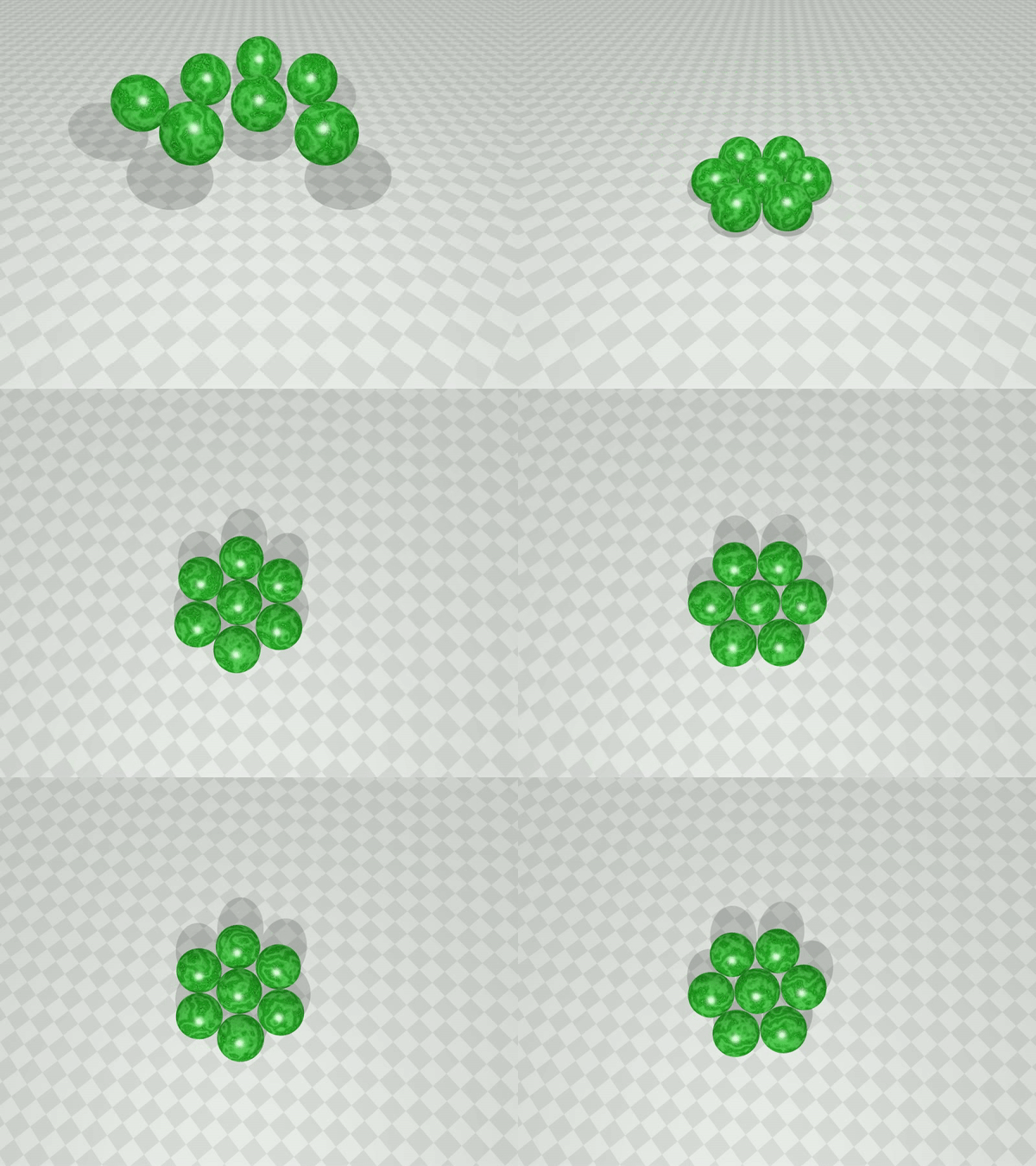
It is well-known that crystallization of colloids approximating hard spheres is due, paradoxically, to the higher entropy of the ordered crystalline state compared to that of the disordered liquid state. Out of equilibrium, no such general principle is available to rationalize crystallization. Here, we identify a new non-equilibrium mechanism, associated with entropy production rather than entropy gain, which drives crystallization of active colloids near plane walls. This is a new mechanism of spontaneous symmetry breaking, with no analogue in equilibrium. The properties of the non-equilibrium crystal, consequently, show remarkable exceptions: strong dissipation suppresses propagating phonon-modes and turns them diffusive, yet, activity enhances the elastic moduli of the crystal. An active crystal, then, has reduced phase fluctuations and is less susceptible to the destruction of long-ranged order, even though it is two-dimensional. The investigation of topological phase transitions in these systems presents, therefore, exciting avenues for future research. There is an excellent qualitative and quantitative match of our results with two recent experiments.
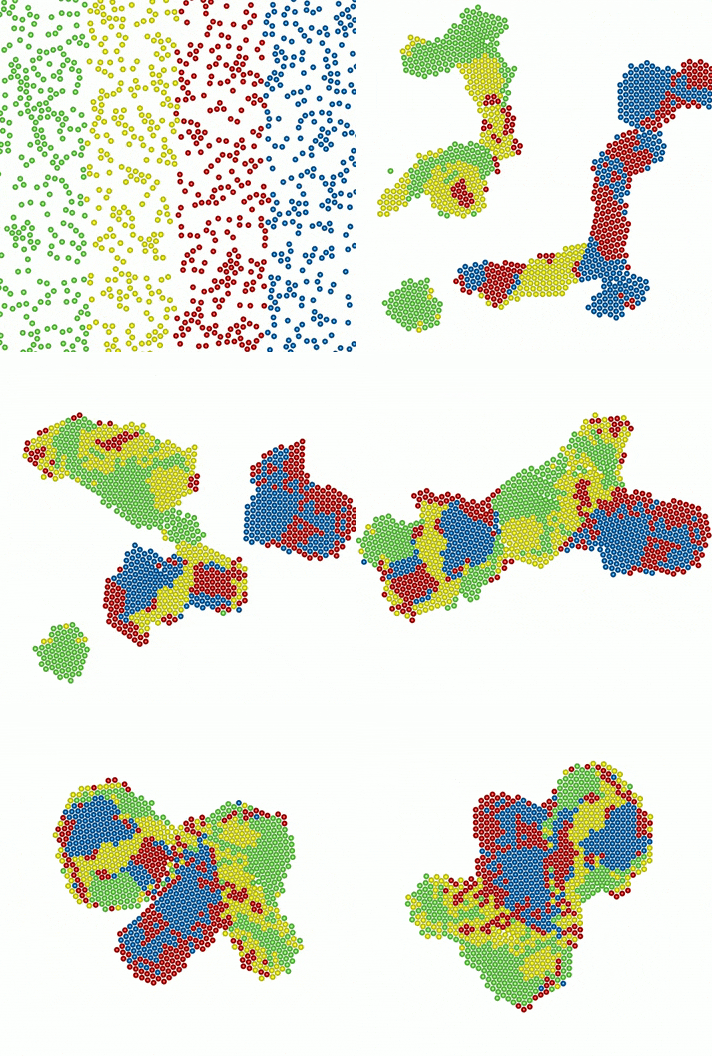
Active colloids - microorganisms, synthetic microswimmers, and self-propelling droplets - are known to self-organize into ordered structures at fluid-solid boundaries. Their mutual entrainment in the attractive component of the flow has been postulated as a possible mechanism underlying this phenomenon. In this work, we describe this fluid-induced phase separation by combining experiments, theory, and numerical simulations, and demonstrate its control by changing the hydrodynamic boundary conditions. We show that, for flow in Hele-Shaw cells, metastable lines or stable traveling bands of colloids can be obtained by varying the cell height, while for flow bounded by a plane, dynamic crystallites are formed. At a plane no-slip wall, these crystallites are characterized by a continuous out-of-plane flux of particles that circulate and re-enter at the crystallite edges, thereby stabilizing them, while the crystallites are strictly two-dimensional at a plane where the tangential stress vanishes. These results are elucidated by deriving, using the boundary-domain integral formulation of Stokes flow, exact expressions for dissipative, long-ranged, many-body active forces and torques between them in respective boundary conditions. The resulting numerical simulations of motion under the action of the active forces and torques are in excellent agreement with experiments. Our work demonstrates the control of phase separation of active particles by boundary conditions.
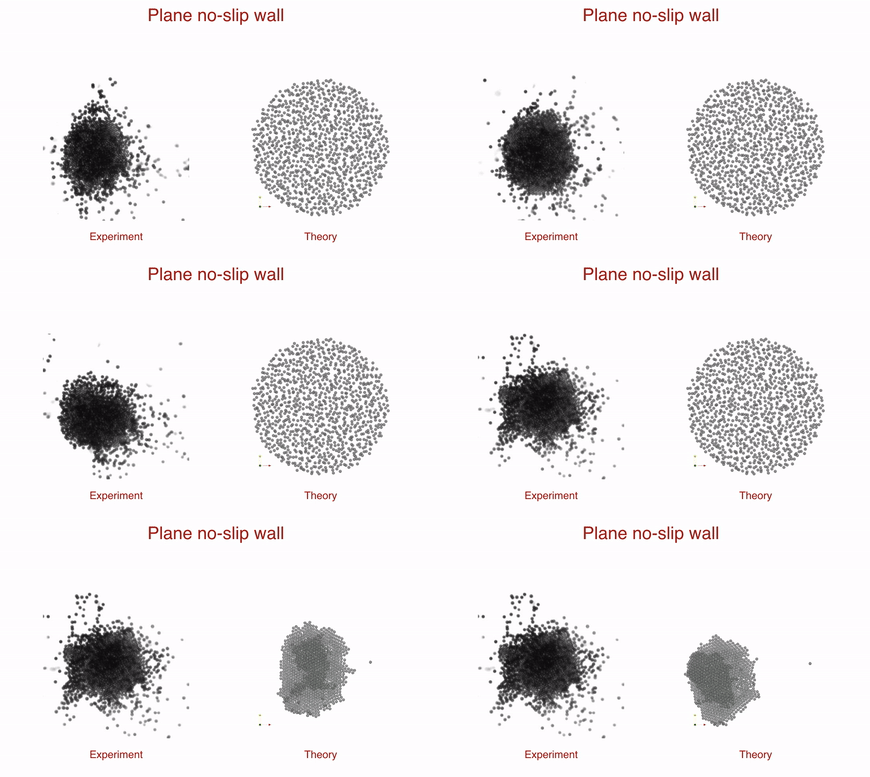
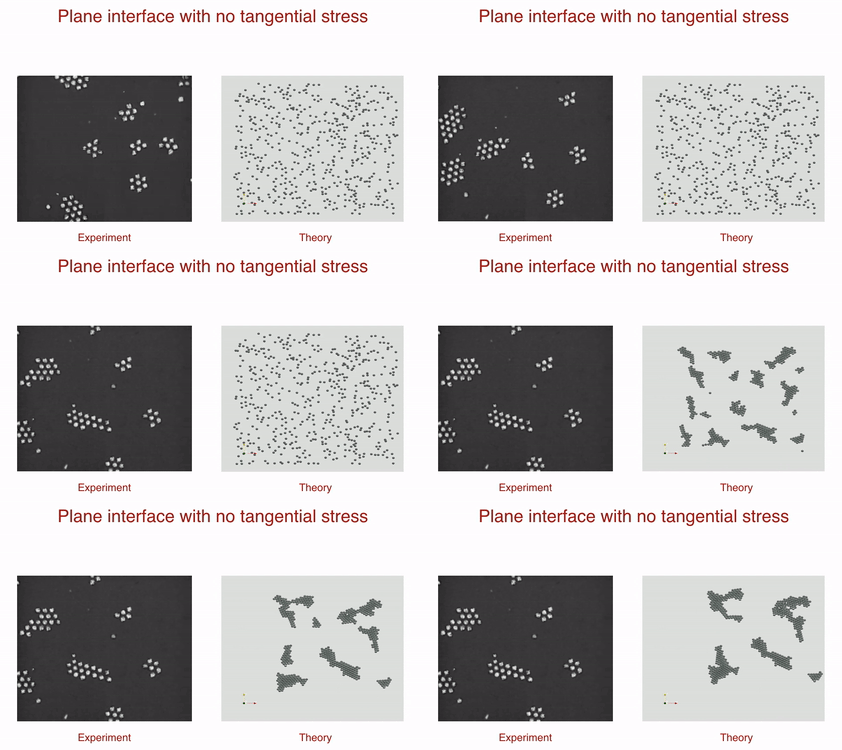
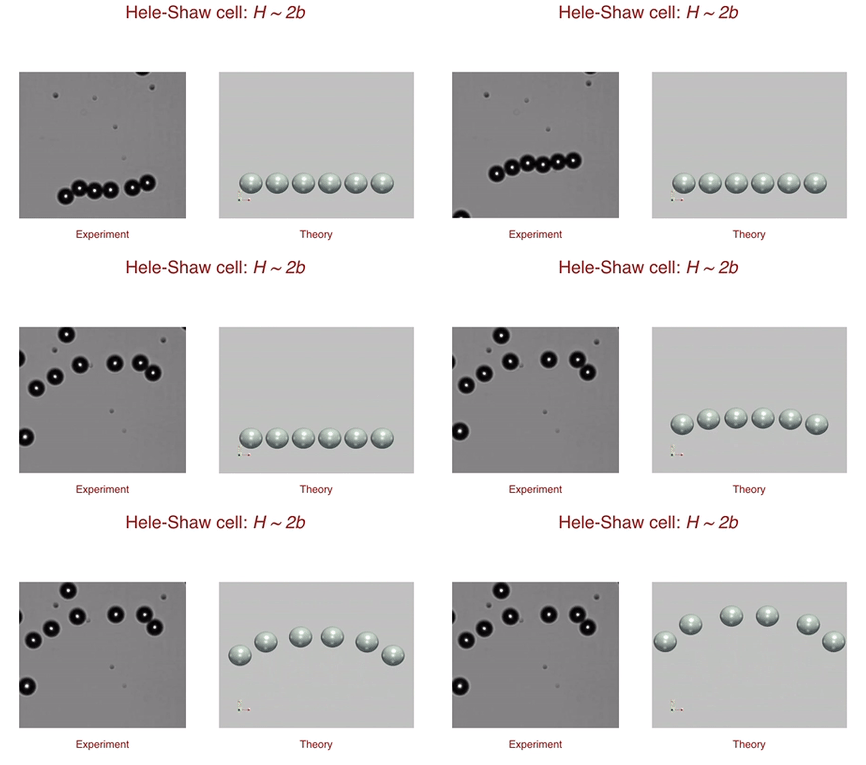
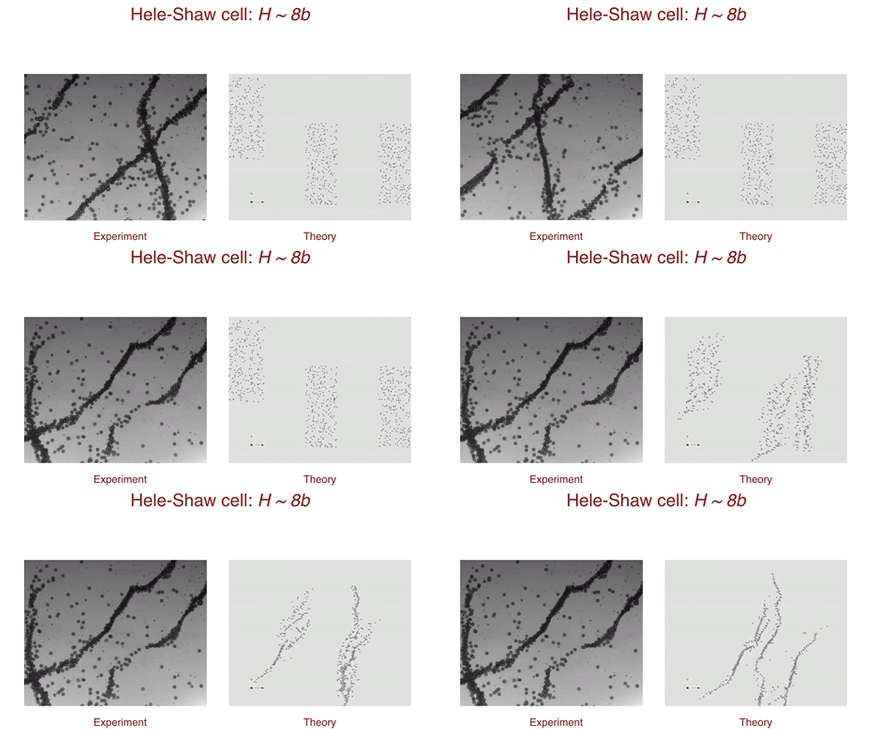
Reference: R Singh, R Adhikari, ME Cates, The Journal of Chemical Physics 151, 044901 (2019)
Recent experiments have reported the arrest of phase separation in a suspension of active colloids at a plane wall. Attractive hydrodynamic forces are known to cause the aggregation of active colloids at a plane wall. This flow-induced phase separation, in absence of any other interactions, drives the system to a complete phase separation. Here, we describe the role of chemical interactions in modifying this flow-induced phase separation of active colloids at a plane wall. We derive chemohydrodynamic forces and torques on colloids in the limit of rapid diffusion and slow viscous flow. We find that near a plane wall, these forces can be expressed as a gradient of a non-equilibrium potential. This potential can be varied from being purely repulsive to purely attractive by tuning the chemical activity of the colloids. The arrest of phase separation can then be understood from the emergence of a barrier in the effective potential.
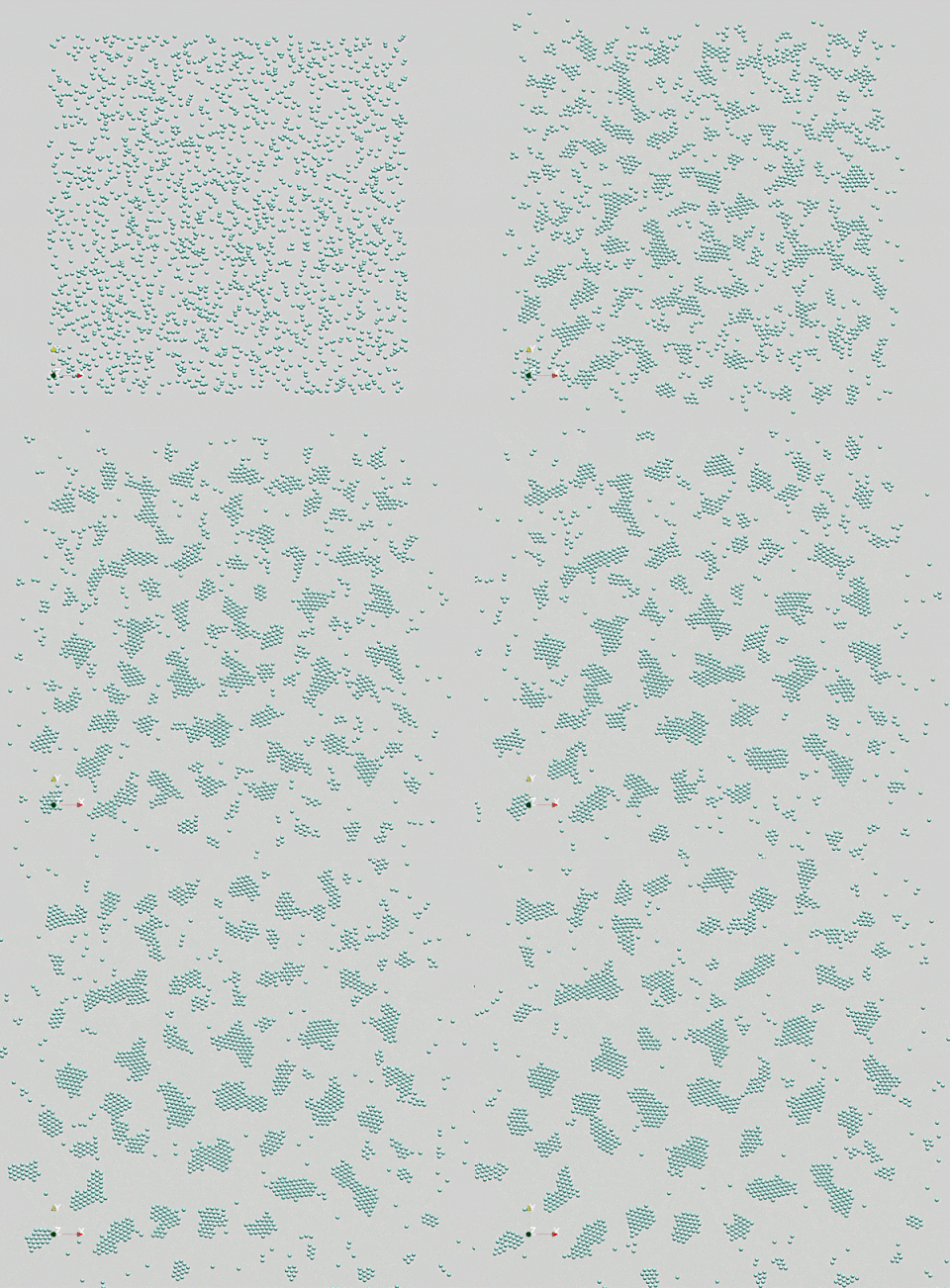
The simplest system in which an interplay of non-uniform external fields, activity and Brownian motion can be studied is an active colloid confined in a three-dimensional harmonic potential. We consider two examples: (a) active particles in a single trap, and (b) active particles in a lattice of harmonic traps (optical lattice).
Reference: R Singh, R Adhikari, Journal of Physics Communications 2, 025025 (2018)
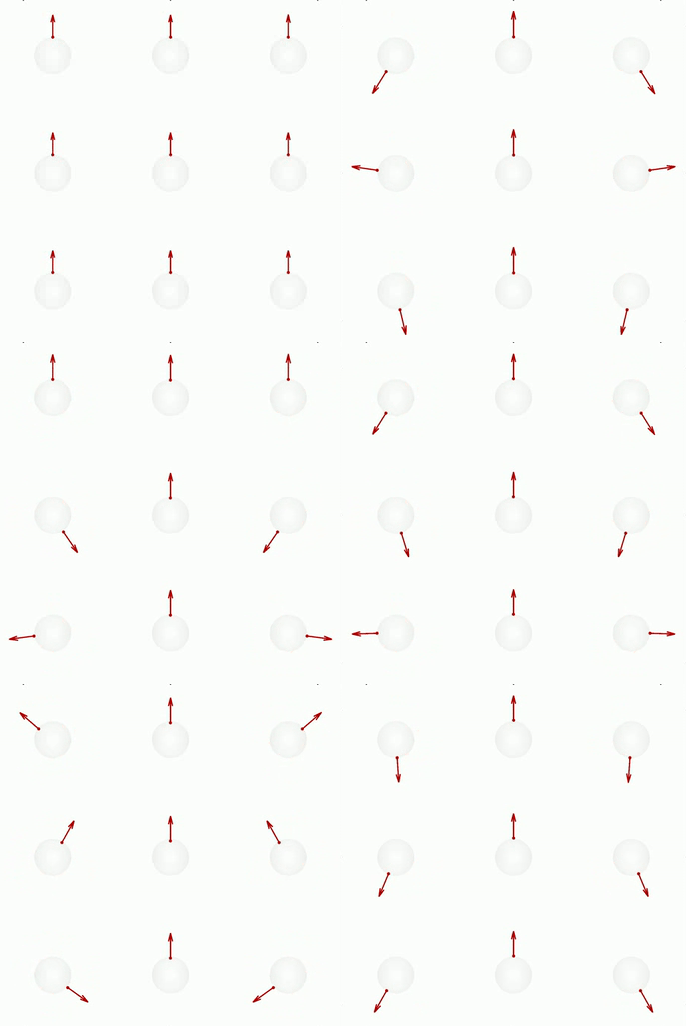
Reference: R Singh, R Adhikari, Journal of Physics Communications 2, 025025 (2018)
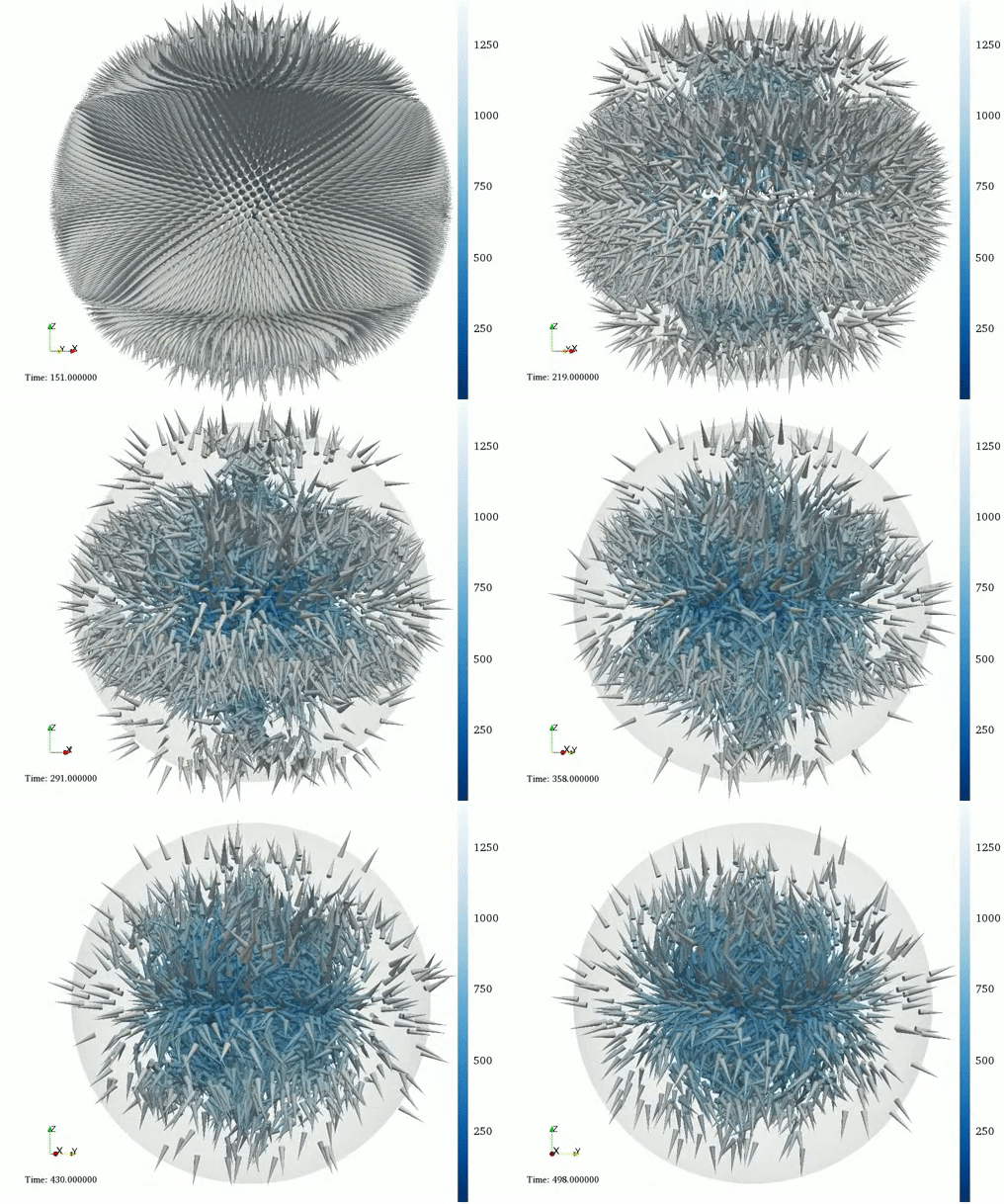
In this examples we consider apolar particles confined in a sphere. We show that the dynamics is different for contractile and extensile particles respectively.
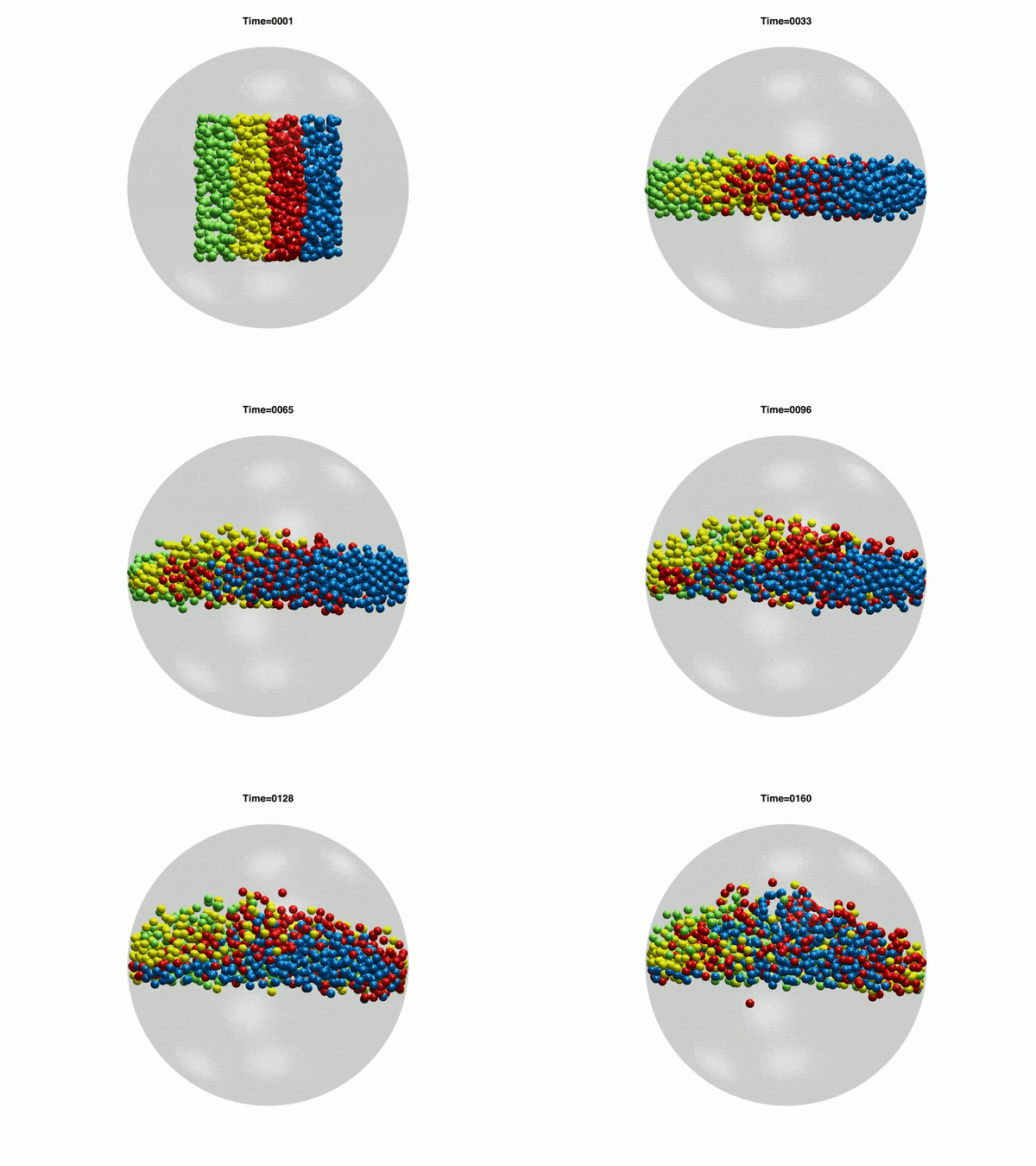
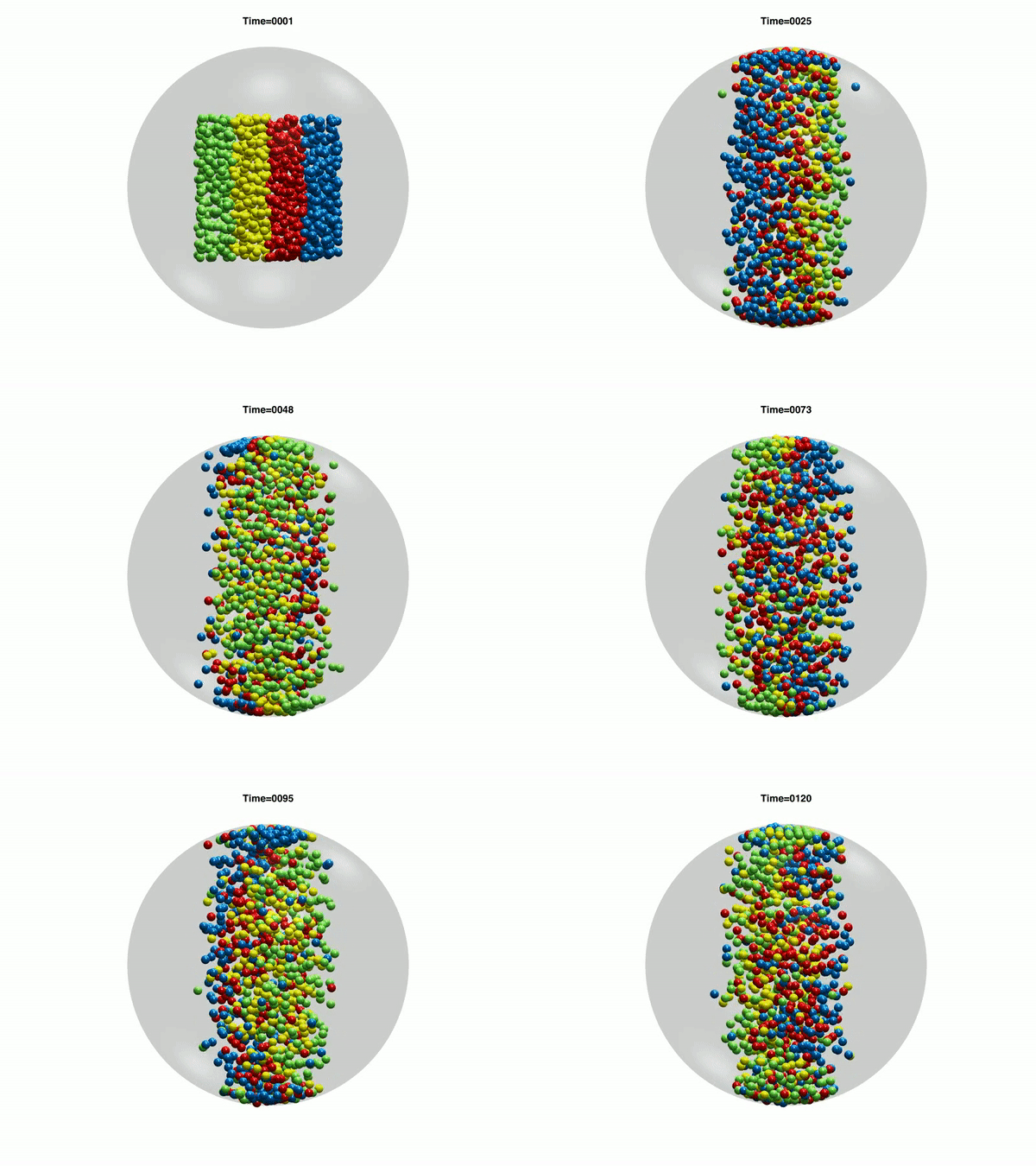
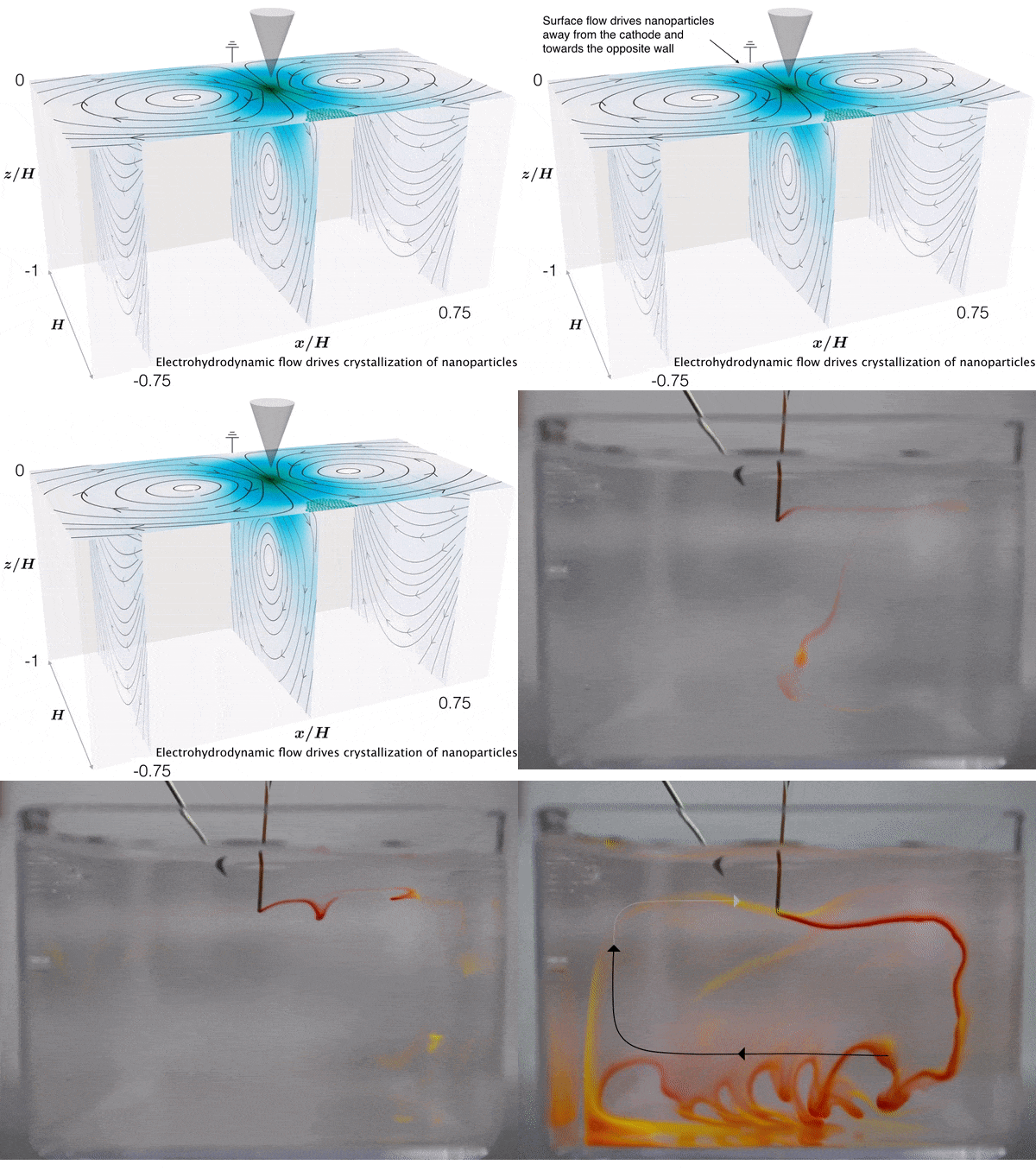
In the work, we consider a suspension of driven particles. Unlike an active colloid, a driven colloid can move only under the effect of external potentials. Here, we study the motion of particles under electrohydrodynamic flow in a rectangular geometry. Electrohydrodynamics is the study of the effects of electrostatic forces on fluid flow. Electrohydrodynamic flows result from the motion of free charges on the surface of a fluid by application of a tangential electric field along with the container (Melcher and Taylor, Annu Rev Fluid Mech 1969). In our case, free charged ions are sprayed using electrospray on the air-liquid interface of a rectangular container with an electrode, which provides a tangential electric field. The spray from the cone deposits charges at the air-liquid interface which is then set into motion by the tangential electric field due to the electrode. Thus, the formation of nanoparticle-nanosheet (NP-NS) is observed at the air-liquid interface.